
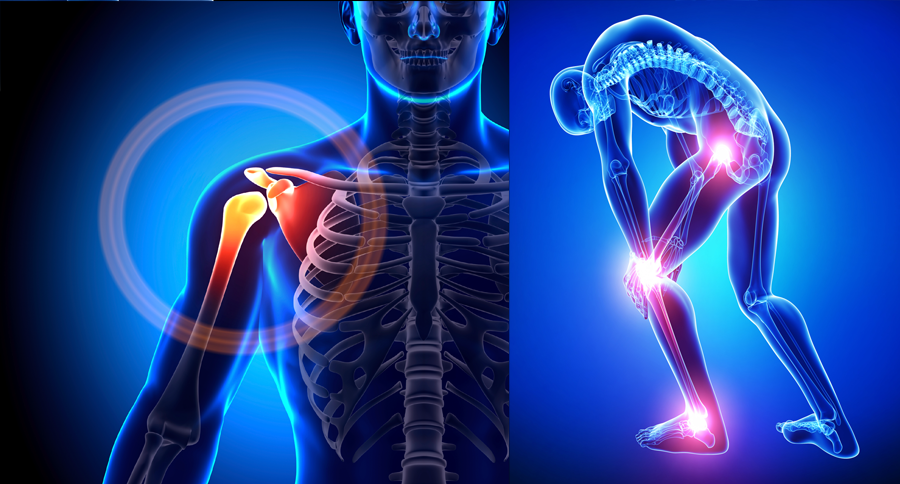
Understanding Orthopedic Care and Its Role in Enhancing Mobility
Orthopedic care is essential for individuals seeking relief from pain, stiffness, and movement restrictions caused by injuries or chronic musculoskeletal conditions. From joint discomfort and fractures to arthritis and spine problems, orthopedic specialists focus on diagnosing, treating, and restoring your body’s mobility, enabling a healthier and more active lifestyle.
What is Orthopedic Care?
Orthopedic care involves the treatment of the musculoskeletal system, which includes bones, muscles, joints, ligaments, tendons, and nerves. This system provides structure, support, and movement to the body. Orthopedic doctors use their medical knowledge, modern diagnostic tools, and customized treatment strategies to identify the root cause of pain and deliver effective solutions tailored to each patient.
Common Conditions Addressed by Orthopedic Specialists
Orthopedic doctors manage a variety of conditions that impact movement and quality of life. Key areas include:
Arthritis and Joint Pain: Causes swelling, stiffness, and limited motion.
Knee and Hip Issues: Common among older adults and physically active individuals.
Spinal Disorders: Includes back pain, slipped discs, sciatica, and spinal deformities.
Sports Injuries: Such as ligament tears, dislocations, and muscle strains.
Fractures and Trauma: Broken bones and serious injuries from accidents.
Foot and Ankle Conditions: Problems like sprains, flat feet, heel pain, and nerve issues.
Early intervention can prevent chronic complications and ensure quicker recovery.
How Orthopedic Care Enhances Mobility
Orthopedic care focuses on restoring pain-free movement through various approaches:
Accurate Diagnosis: Using X-rays, MRI, CT scans, and physical assessments to pinpoint the problem.
Personalized Treatment Plans: Tailored to the patient’s age, lifestyle, and condition for optimal results.
Pain Management: Medication, injections, and therapy reduce discomfort and swelling.
Advanced Surgical Techniques: Minimally invasive procedures, joint replacements, and arthroscopy help restore function effectively.
Rehabilitation and Physiotherapy: Strength-building exercises, stretching, and mobility training aid faster recovery.
Preventive Measures: Guidance on posture, exercise, and diet to avoid future injuries.
Benefits of Orthopedic Care
Regular and timely orthopedic care can provide long-term advantages, including:
Reduced pain and stiffness
Enhanced joint flexibility
Increased strength and stability
Faster recovery after injuries
Improved balance and posture
Better ability to perform daily activities
Overall improved quality of life
By addressing musculoskeletal problems early, individuals can prevent chronic pain and continue living an active lifestyle.
When to Consult an Orthopedic Specialist
It is recommended to see an orthopedic doctor if you experience:
Persistent joint or muscle pain
Difficulty walking, bending, or performing everyday tasks
Swelling or stiffness in joints
Reduced range of motion in limbs or back
Frequent injuries
Numbness or tingling in the arms or legs
Pain lasting more than a few days
Prompt consultation can lead to faster recovery and prevent worsening conditions.
Conclusion
Orthopedic care is vital for maintaining healthy bones, joints, and muscles. Through precise diagnosis, modern treatment options, and tailored rehabilitation, orthopedic specialists help patients regain mobility and improve quality of life. Whether recovering from an injury or managing chronic pain, orthopedic care empowers you to move freely and confidently again.