
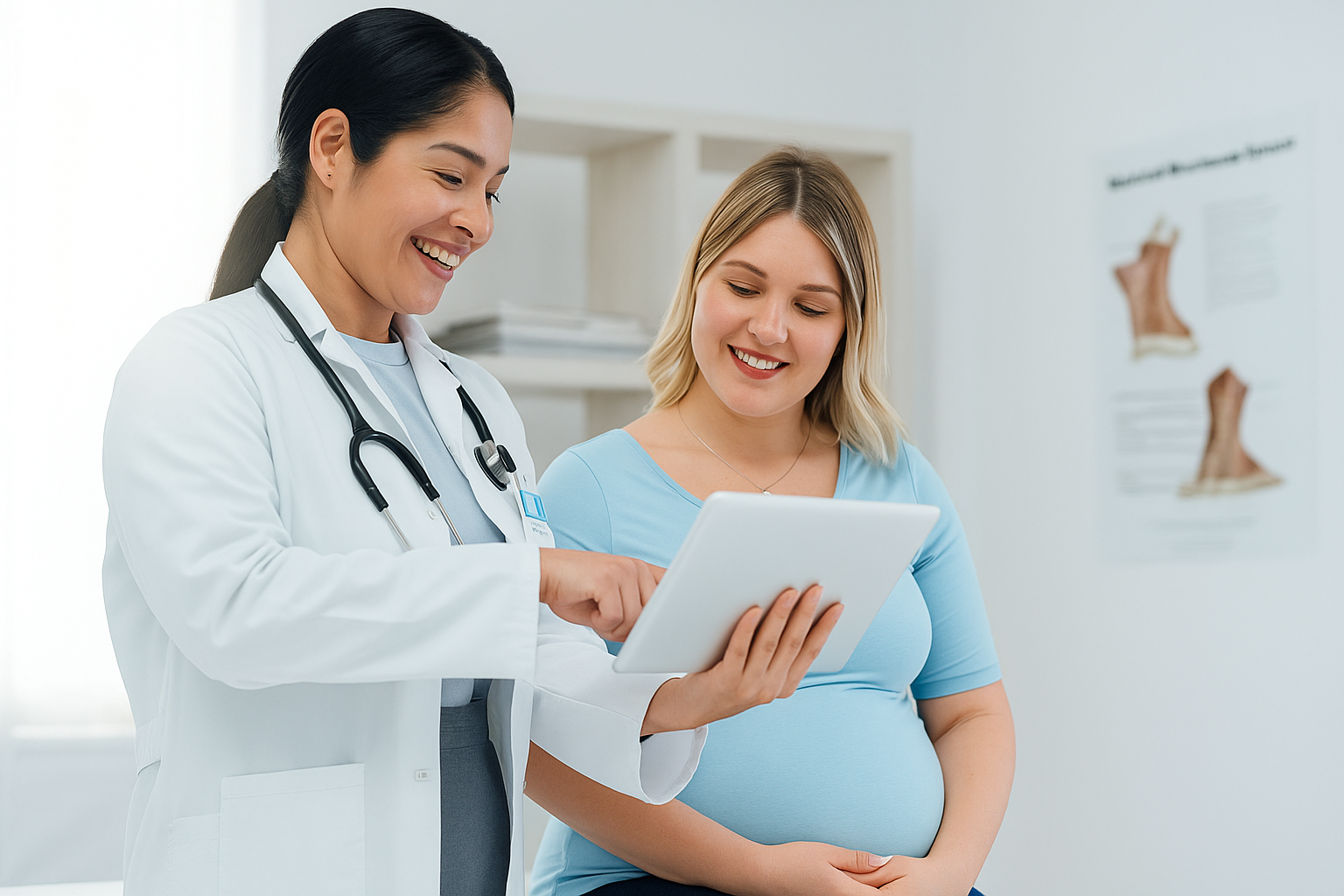
Gynecology is the medical field dedicated to the diagnosis, treatment, and prevention of conditions related to the female reproductive system. This includes the uterus, ovaries, fallopian tubes, cervix, and vagina. A woman’s reproductive health is deeply connected to her hormonal balance, fertility, menstrual cycle, and overall physical and emotional well-being.
Throughout different life stages puberty, menstruation, pregnancy, and menopause—women may experience various gynecological concerns. These range from common issues such as irregular periods, vaginal infections, and urinary tract infections to more serious conditions like polycystic ovary syndrome (PCOS), endometriosis, fibroids, infertility, and reproductive cancers. Early detection, awareness, and proper care can make a significant difference in managing or even preventing these conditions.
If you’ve been diagnosed with a reproductive issue such as PCOS, fibroids, endometriosis, or pelvic inflammatory disease, understanding your condition is crucial. Learn about its symptoms, causes, and available treatment options. Ask your gynecologist the right questions and stay informed through trusted medical sources. Knowing how your condition affects your body helps in making better decisions regarding treatment and long-term care.
Reproductive health is complex and deeply personal, requiring a compassionate and experienced gynecologist. Choose a doctor who not only offers accurate diagnosis and treatment but also provides emotional support and patient education. Regular consultations, honest communication, and timely follow-ups are essential for long-term reproductive well-being.
Certain chemicals, environmental toxins, and products can harm your reproductive system.
• Avoid using strong, scented soaps, douches, and sprays in the intimate area.
• Choose chemical-free personal hygiene products.
• Limit exposure to plastics containing BPA (in food containers and water bottles).
• Avoid smoking and secondhand smoke, as it can affect fertility and menstrual health.
Whether it’s hormonal therapy, supplements, antibiotics for infections, or medication for menstrual irregularities—take all prescriptions exactly as advised. Missing doses or stopping medication early can lead to recurring problems. Inform your doctor about any side effects and never take over-the-counter gynecology medicines without professional guidance.
A few daily habits can make a big difference in supporting your gynecological health:
• Maintain good personal hygiene, especially during menstruation.
• Track your menstrual cycle to detect any irregularities.
• Manage stress through mindfulness, hobbies, and relaxation techniques.
• Prioritize sleep and rest to support hormonal balance.
• Avoid unprotected sex and get regular STI screenings if sexually active.
Staying physically active promotes hormonal balance, boosts circulation to the pelvic area, and supports menstrual and fertility health.
Kegel exercises are essential for strengthening the pelvic floor muscles the muscles that support the bladder, uterus, and rectum. These muscles can weaken due to pregnancy, childbirth, aging, or frequent straining. Regularly performing Kegel exercises can significantly improve a woman’s gynecological and urological health.
Prevents or reduces urinary incontinence and fecal incontinence.
Improves vaginal tone, especially after childbirth.
Enhances sexual sensation and orgasm quality.
Supports pelvic organs and helps in managing pelvic organ prolapse.
Identify the Muscles: While urinating, try to stop the flow midstream. The muscles you use for this are your pelvic floor muscles.
Get into Position: You can do Kegels sitting, standing, or lying down—whichever is most comfortable for you.
Contract: Tighten your pelvic floor muscles and hold the contraction for 5 seconds to start (work your way up to 10 seconds).
Relax: Release the muscles completely and rest for the same amount of time.
Repeat: Do 10 repetitions per set, at least 2–3 times a day.
Important: Don’t contract your abdomen, thighs, or buttocks. Breathe normally during each repetition and avoid holding your breath.
Yoga is a holistic approach that not only relieves physical tension but also brings hormonal balance, reduces stress, and supports reproductive health. Certain yoga poses are particularly beneficial for improving blood flow to the pelvic region, easing menstrual discomfort, and enhancing fertility.
1. Butterfly Pose (Baddha Konasana)
This gentle seated pose is known for opening the hips and increasing circulation to the pelvic area.
Benefits:
- Improves flexibility in the inner thighs, groin, and knees.
- Stimulates abdominal organs and reproductive organs.
- Helps relieve menstrual discomfort and mild pelvic congestion.
- Encourages relaxation and reduces stress.
How to Do It:
Sit on the floor with your legs extended straight.
Bring the soles of your feet together, allowing your knees to drop to the sides.
Hold your feet with your hands and bring them as close to your body as comfortable.
Keep your spine straight and gently flap your knees like butterfly wings.
Stay in this position for 1–3 minutes while breathing deeply.
2. Child’s Pose (Balasana)
A deeply restorative pose that calms the nervous system and gently stretches the lower back and hips.
Benefits:
Soothes abdominal tension and menstrual cramps.
Calms the mind and reduces anxiety and stress.
Promotes relaxation of the reproductive organs.
Improves digestion and circulation in the abdominal area.
How to Do It:
Kneel on the floor with your big toes touching and knees spread wide apart.
Sit back on your heels and stretch your arms forward, lowering your torso between your thighs.
Rest your forehead on the mat and breathe deeply.
Stay in this position for 1–5 minutes, focusing on each breath.
3. Bridge Pose (Setu Bandhasana)
This gentle backbend helps to strengthen the pelvic muscles and stimulate hormone-regulating glands.
Benefits:
Strengthens the uterus and pelvic floor.
Stimulates the thyroid and balances hormonal levels.
Enhances fertility by improving blood circulation to the pelvic area.
Helps relieve stress, anxiety, and mild depression.
How to Do It:
Lie on your back with knees bent and feet hip-width apart, flat on the floor.
Keep your arms alongside your body, palms facing down.
Press your feet and arms into the floor as you lift your hips toward the ceiling.
Hold the pose for 10–30 seconds, breathing deeply.
Slowly lower your hips back to the floor and repeat 2–3 times.
Walking and Light Cardio
Regular walking or light aerobic exercise reduces stress, supports weight management, and improves reproductive organ function. Aim for 30 minutes a day, 5 days a week.
Stretching and Deep Breathing
Helps reduce pelvic tension, improves oxygen flow, and promotes relaxation during menstruation and ovulation.
What you eat plays a major role in hormonal balance, menstrual regulation, and fertility.
Iron-Rich Foods
Menstruation causes iron loss. Include spinach, dates, beets, pomegranate, and lean meats to prevent anemia and fatigue.
Foods Rich in Omega-3 and Antioxidants
Chia seeds, walnuts, and leafy greens reduce inflammation and support egg health.
Probiotics for Vaginal Health
Curd, yogurt, and fermented foods help maintain a healthy vaginal microbiome and prevent infections.
Vitamin and Mineral Support
Folic Acid: Supports pregnancy and egg development (found in citrus fruits, lentils, green vegetables).
Calcium and Vitamin D: Strengthen bones and regulate periods (dairy, sesame, sunlight exposure).
Avoid Processed Foods and Sugars
They worsen PMS, hormonal imbalance, and PCOS symptoms. Eat whole, home-cooked meals rich in fiber and good fats.
Certain symptoms may indicate underlying gynecological conditions that need urgent care:
• Heavy or irregular bleeding
• Severe pelvic pain or cramps
• Vaginal discharge with a bad odor or unusual color
• Pain during intercourse
• Missed periods without pregnancy
• Itching, swelling, or burning sensation in the intimate area
If you experience any of these signs, consult a gynecologist immediately for proper evaluation and treatment.
• Take the HPV vaccine to protect against cervical cancer.
• Practice safe sex to reduce the risk of STIs.
• Wash your intimate area daily with warm water.
• Change sanitary pads every 4–6 hours.
• Avoid tight clothing and use breathable cotton underwear.
These small practices help prevent infections and maintain long-term gynecological health.
Reproductive health changes at every stage—puberty, adulthood, pregnancy, menopause. Create a long-term health plan with your gynecologist for regular screenings, family planning, fertility concerns, and menopause support. Early intervention and preventive care lead to a healthier and more confident life.
Your reproductive health is closely linked to your overall wellness. Taking the right precautions, eating nutritious food, staying active, and consulting with a trusted gynecologist regularly can prevent many common and serious gynecological conditions. At Sree Latha Hospital, our expert team is dedicated to offering holistic gynecology care tailored to your needs.
If you’re facing any gynecological issues or simply want a wellness consultation, book an appointment with our gynecology team today. We’re here to help you at every stage of your health journey—with care, compassion, and expertise.